



what-are-co-curricular-activities-ishcmc-1

The importance of co-curricular activities in school

Education is not just about academics—it’s about holistic development. Co-curricular activities play a crucial role in shaping well-rounded students by enhancing skills beyond textbooks. Here’s why they are essential in schools:

1. Development of Life Skills

Co-curricular activities like debates, sports, and drama teach critical teamwork, leadership, time management, and problem-solving—skills that are invaluable in real-life situations.

2. Boosts Academic Performance

Research shows that students engaged in extracurriculars often perform better academically. Activities like science clubs or math Olympiads reinforce classroom learning while making it more engaging.

3. Enhances Social Skills

Participating in group activities helps students build communication, collaboration, and interpersonal skills, preparing them for future workplaces and social interactions.

4. Encourages Physical & Mental Well-being

Sports, yoga, and dance promote physical fitness, while arts and music reduce stress and improve emotional well-being, fostering a balanced lifestyle.

5. Builds Confidence & Self-Esteem

Performing on stage, leading a team, or winning a competition gives students a sense of achievement, boosting their confidence and public speaking abilities.

6. Discovers Hidden Talents

Not all students excel in academics. Co-curricular activities help uncover talents in music, painting, coding, or athletics, providing alternative career pathways.

7. Teaches Discipline & Responsibility

Regular participation in activities like scouts, NCC, or student councils instills discipline, commitment, and accountability—qualities crucial for success.

8. Prepares for Future Challenges

Employers and universities value well-rounded individuals. Debates, MUNs, and internships develop critical thinking and adaptability, giving students a competitive edge.

9. Fosters Cultural Awareness & Creativity

Events like cultural festivals, drama, and art exhibitions expose students to diversity, traditions, and creative expression, broadening their perspectives.

10. Reduces Screen Time & Unhealthy Habits

Instead of excessive phone/gaming use, co-curricular activities keep students productively engaged, reducing addiction risks and promoting healthier habits.

Conclusion

Co-curricular activities are not optional—they are necessary for a student’s overall growth. Schools must encourage participation in sports, arts, clubs, and community service to nurture future-ready individuals.

What’s your favorite co-curricular activity? Share in the comments!

April-15-Characteristics-That-Define-Great-Educators_web-1024x576

Characteristics of a Great Teacher

Teaching is one of the most impactful professions, shaping the minds and futures of students. A great teacher does more than just deliver lessons—they inspire, guide, and create a lasting influence. Here are the key characteristics that define an exceptional educator:

1. Passion for Teaching

Great teachers are deeply passionate about their subject and the learning process. Their enthusiasm is contagious, motivating students to engage with the material and develop a love for learning.

2. Strong Communication Skills

Effective teaching requires clear and engaging communication. A great teacher explains complex concepts in simple terms, listens actively, and ensures every student understands the material.

3. Patience and Empathy

Students learn at different paces, and a great teacher remains patient and supportive. They show empathy, understanding individual struggles, and adapting their approach to meet each student’s needs.

4. Adaptability & Creativity

Education is constantly evolving, and great teachers embrace change. They use creative teaching methods, incorporate technology, and adjust lessons to keep students engaged.

5. High Expectations & Encouragement

Exceptional teachers believe in their students’ potential and set high (but achievable) expectations. They provide constructive feedback and celebrate progress, fostering confidence and growth.

6. Strong Classroom Management

A well-managed classroom ensures a productive learning environment. Great teachers establish clear rules, maintain discipline with fairness, and create a space where students feel safe and respected.

7. Lifelong Learning Mentality

The best educators never stop learning. They stay updated with new teaching strategies, subject advancements, and educational trends to continuously improve their craft.

8. Approachability & Positive Attitude

Students thrive when they feel comfortable asking questions. A great teacher is approachable, friendly, and maintains a positive attitude, making learning enjoyable.

9. Dedication Beyond the Classroom

Exceptional teachers go the extra mile—mentoring students, organizing extracurricular activities, and supporting their academic and personal growth even outside class hours.

10. Ability to Inspire

Ultimately, the mark of a great teacher is their ability to inspire. They ignite curiosity, encourage critical thinking, and leave a lasting impact that extends far beyond the classroom.

Conclusion

Great teachers shape futures by combining knowledge, compassion, and dedication. Whether through innovative teaching methods or personal mentorship, their influence lasts a lifetime. What other qualities do you think make a teacher exceptional? Share your thoughts!

ways-to-encourage-reading-habits

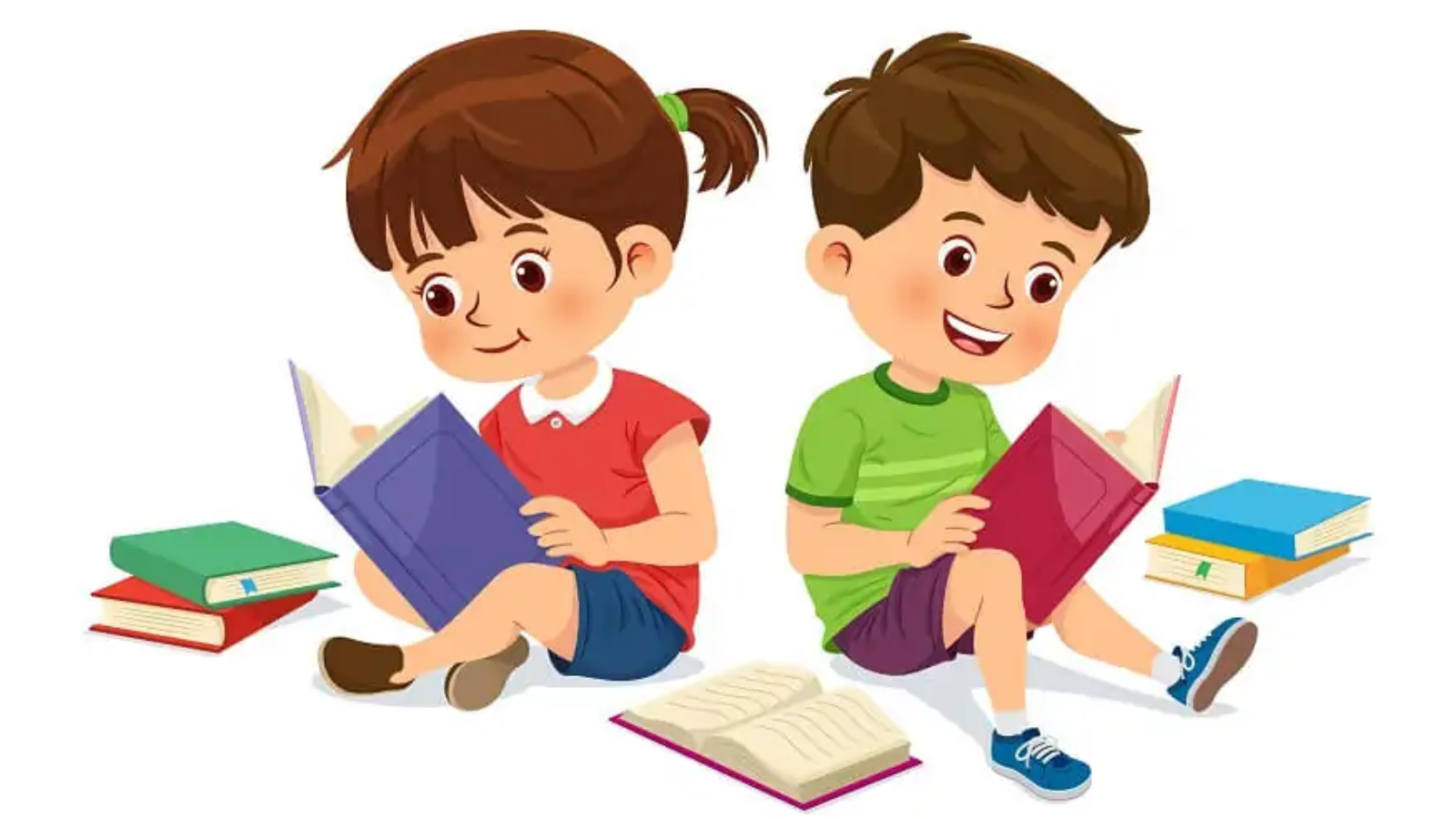
How to instill the habit of reading in children?

How to Instill the Habit of Reading in Children?

In today’s digital age, where screens dominate leisure time, fostering a love for reading in children can be challenging. However, cultivating this habit early offers lifelong benefits—enhancing vocabulary, improving concentration, and stimulating imagination. Here are some effective strategies to instill a love for reading in children.

1. Start Early

Introduce books as early as infancy. Board books with bright pictures and textures can engage toddlers. Reading aloud to young children, even if they don’t understand the words, helps them associate books with comfort and enjoyment.

2. Be a Reading Role Model

Children imitate their parents. If they see you reading books, magazines, or newspapers regularly, they’ll be more inclined to pick up a book themselves. Discuss what you’re reading to spark their curiosity.

3. Create a Reading-Friendly Environment

Designate a cozy reading corner with good lighting and a small bookshelf. A comfortable space dedicated to reading makes the activity more appealing. Regular visits to libraries or bookstores can also reinforce the habit.

4. Let Them Choose Their Books

Allow children to select books based on their interests, whether it’s dinosaurs, fairy tales, or comics. Forcing them to read something they dislike can backfire. Graphic novels and audiobooks can also be great gateways to reading.

5. Make Reading Fun

Turn reading into an enjoyable activity rather than a chore. Use funny voices for characters, act out scenes, or organize family reading nights. Incorporating games, like treasure hunts based on book plots, can also make reading exciting.

6. Set a Routine

Consistency is key. Dedicate 15-30 minutes daily for reading—whether before bedtime or after school. Over time, this routine will become a natural part of their day.

7. Limit Screen Time

Reduce excessive TV and gadget use by setting boundaries. Encourage reading as an alternative by keeping books easily accessible. E-readers with child-friendly features can also be a good compromise.

8. Discuss Books Together

Engage in conversations about the stories they read. Ask questions like, “What was your favorite part?” or “What would you do if you were the character?” This enhances comprehension and makes reading interactive.

9. Reward Reading (Wisely)

Positive reinforcement can motivate children. Instead of material rewards, praise their efforts or create a reading chart where they earn stars for finishing books. Celebrate milestones with a special trip to the bookstore.

10. Be Patient and Encouraging

Not every child will love reading immediately. Some may prefer short stories over long novels. The goal is to nurture a positive association with books, not to pressure them.

Final Thoughts

Instilling a reading habit in children requires patience, creativity, and consistency. By making books a joyful and integral part of their lives, parents can open doors to endless knowledge and imagination. Start small, stay persistent, and watch your child grow into a lifelong reader.